در حال بارگذاری...
5/21/2025
The Impact of Violent Content on Children’s Behavior
Research on Violent Content
Children today are immersed in entertainment and news media, just like fish immersed in water. With smartphones, children can follow media almost anywhere or anytime they want.
Violent content is a common theme in media (e.g., TV shows, movies, videos, video games, music, books, and comic books). Pediatricians, policymakers, and parents often wonder whether violent media content is harmful to children.
Fortunately, we do not need to rely on unreliable sources to answer this question; science has provided the answer. Over the past six decades, hundreds of research studies have been conducted on this topic.
Experimental studies have shown that exposure to various forms of violence by children and adolescents causes them to behave more aggressively immediately afterward. Field experiments have produced similar effects in natural settings with realistic measures of aggression. The effects can be long-lasting.
Numerous studies indicate that exposure to violent media in childhood predicts aggressive and violent behavior years later as an adult. Although there is no consensus in any scientific field, the evidence is so compelling that dozens of major scientific and medical organizations have issued statements about the harmful effects of exposure to violent media, such as the American Academy of Pediatrics, the American Medical Association, the American Psychiatric Association, the Society for the Psychological Study of Social Issues, and the International Society for Research on Aggression.
Violent video games may be particularly harmful due to their interactive nature, but more research is needed on this topic. As a result, pediatricians, parents, and policymakers should take steps to protect children from the potentially harmful effects of exposure to violent media.
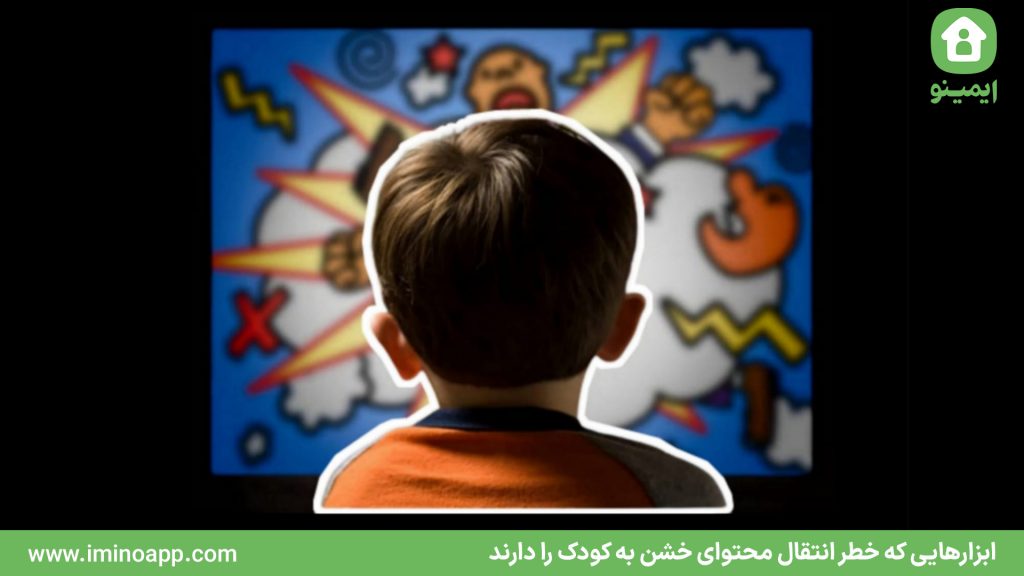
Key Points in Dealing with Violent Video Games
Exposure to violent content is not merely a harmless form of entertainment. Hundreds of studies have shown that exposure to violent content is a risk factor for aggressive and violent behavior and can desensitize individuals to the pain and suffering of others.
Video games are not inherently “good” or “bad.” Video games can be great teachers that can have positive or negative effects, depending on their content and how much time children spend playing them.
Exposure to violent video games is not the only risk factor for aggressive and violent behavior, nor is it the most important risk factor, but it is not an insignificant one either. More importantly, exposure to violent content is one of the few risk factors that parents can control.
Learn More: What is the Best Age to Buy a Phone for My Child? Buying the First Phone for a Child
How Can You Tell if a Video Game is Potentially Harmful?
First, play the game or ask someone to show it to you. You can also watch videos of others playing the game on Aparat. After watching gameplay for a sufficient amount of time (e.g., 15 minutes), ask yourself these 6 questions:
- Does the game involve some characters trying to harm others?
- Does this happen frequently, more than once or twice in 30 minutes?
- Is harm rewarded in any way?
- Is harm depicted in a humorous manner?
- Are non-violent solutions absent or less “fun” than violent solutions?
- Are the real consequences of violence removed from the game?
If two or more answers are “yes,” carefully consider the lessons being taught before allowing your child access to the game.
Ensure the game is age-appropriate. Video games have age-based labels (e.g., “M” for mature players 17 and older) and content codes (e.g., “graphic violence”). However, just because a video game is age-appropriate does not mean it is harmless. Many parents also believe that age-based labels and content codes are insufficient. Some games deemed suitable for “everyone” by the video game industry contain violent content. Many video games suitable for teens 13 and older are highly violent.
What Else Can You Do to Reduce the Impact of Violent Games?
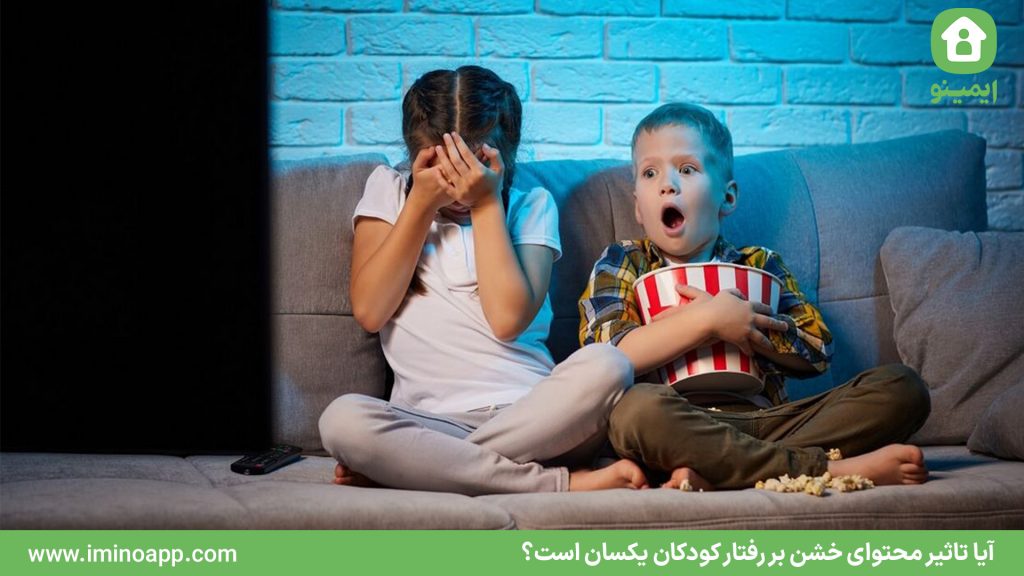
Be a Smart Consumer:
- Buy video games that benefit your children.
- Do not buy video games that are potentially harmful.
Be a Smart Parent/Adult:
- Know what games your children are playing.
- Use parental control software.
- Do not allow your children access to violent video games.
- Limit the time spent playing video games.
- Ensure all TVs and computers are in public places, not in private spaces like bedrooms.
- Use passwords on TVs to block programs containing violence.
- Use software on computers to block sites with violent content.
- When your child visits a friend’s house, inform those parents that your child is not allowed to play or watch age-inappropriate video games.
- Explain to your children that violent games are harmful.
- Teach your children non-violent problem-solving at every opportunity.
Be an Active Community Member:
- If you notice someone or somewhere selling violent video games to children, complain to the owner/manager.
- If you notice someone or somewhere doing a good job screening or categorizing violent content, thank the owner/manager and support the business, perhaps by purchasing non-violent educational video games.
- Consider not buying products from companies that support violent video games and explain your reason.
Ultimately, parents must use their best judgment about what content is appropriate for their children. However, scientific evidence suggests that exposure to violent content can have negative effects on children. Parents can help protect their children from these effects by monitoring the content their children consume and setting limits on the time spent with media.
What Tools Pose a Risk of Exposing Children to Violent Content?
Children and adolescents can be exposed to violent content through various means, including:
- Television and movies: Violent content is present in many movies and TV shows.
- Video games: Many video games include violent scenes.
- Social media: Violent content is often shared on social media.
- Social networks: Some social networks are not sensitive to sharing violent content with users and even fuel it.
How to Treat Dependency on Violent Content or Violent Video Games
If your child has become dependent on violent content, you should take action to help them. Treating dependency on violent content can include the following:
Counseling: Counseling can help your child cope with the consequences of viewing violent content and learn healthier behaviors.
Medication: In some cases, medication may be prescribed to help your child manage symptoms of anxiety and depression.
Parental Control Software: If you want to control the content your child sees to help them improve over time, you should use parental control software to keep violent content out of their reach.
Parental Control Software as a Way to Help Children and Parents
Parental control software can help parents prevent their children from accessing inappropriate content, including violent content. These software programs can be used to block specific content, limit internet usage time, and track a child’s online activities.
Final Conclusion
Children today spend most of their time in virtual spaces and playing various online or offline games, and concerned parents should know that this virtual space and violent games affect their children and may even lead to violence and inappropriate behaviors. Therefore, these issues must always be monitored to prevent adverse events. It should be noted that the impact on each child and adolescent varies; it is not the case that if we do not see the effects of this virtual space on one child or adolescent, all children are the same. Rather, you must act according to your child’s temperament and their use of the virtual space.
Parents should know that by taking preventive measures, they can prevent their children and adolescents from viewing violent content. One of these measures is installing and using parental control tools, which are very practical and useful for protecting and caring for children in the virtual world.
#Imino #ImWithYou